
What is Merchant Navy
Navigation (Deck) Officers
Navigation Officers are responsible for the safe navigation and operation of the ship. They manage voyage planning, cargo handling, ship stability, and communications while maintaining bridge watches at sea and in port. The Captain or Master, promoted from the Deck Officer ranks, holds overall command and ensures the safety of the crew, ship, cargo, and environment.
Marine Engineers
Marine Engineers oversee the ship’s engines, machinery, and technical systems, ensuring efficient and safe operations throughout every voyage. They are responsible for maintaining propulsion systems, power generation, and all mechanical equipment vital to the vessel’s performance.
Electro-Technical Officers (ETO)
Electro-Technical Officers specialize in managing and maintaining the ship’s electrical, electronic, and automation systems. They ensure that power, navigation, and communication systems function reliably to support smooth and safe maritime operations.
Yearly Cadets Recruits
TOTAL TRAINED CADETS
The Merchant Navy - A Brief Introduction
On-board ship there are three main operational departments.
- * Deck Department. Staffed by Navigating Officers(Ship Management)
- * Engineering Department. Staffed by Marine Engineering Officers, which may also include Electro-Technical Officers
- * Catering or Hotel Department. Staffed by General Purpose Crew(GP-III/Ratings)which provide the crew and any passengers with catering and domestic services
Marine Engineering & Officer Qualities
Engineering Responsibilities
01
Chief Engineer Role
02
Electro-Technical Officers
03
Personal Qualities
04
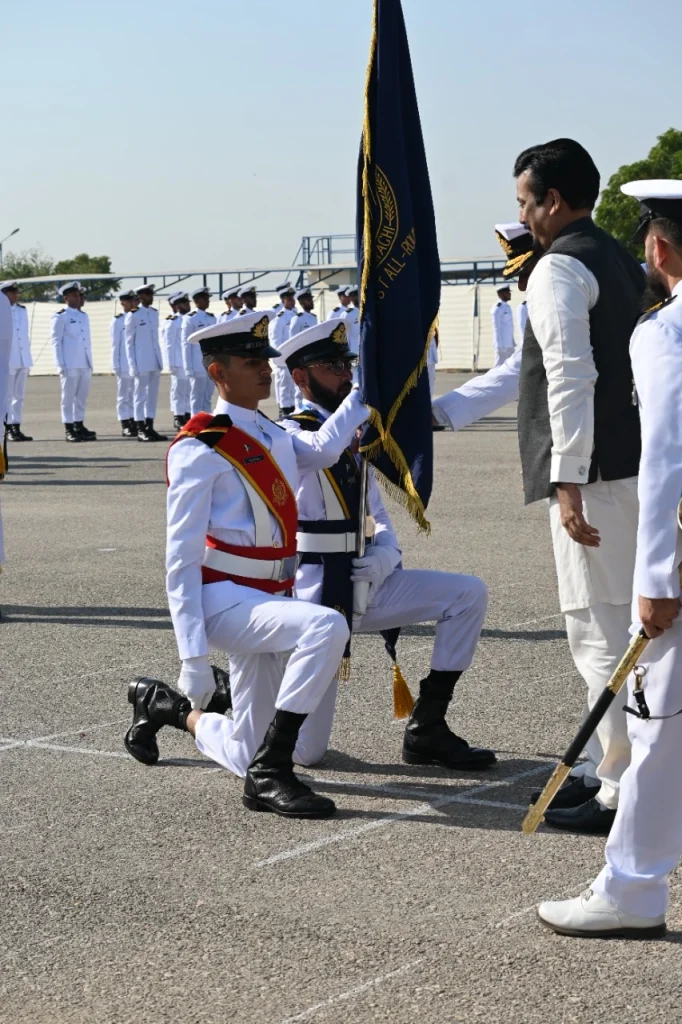
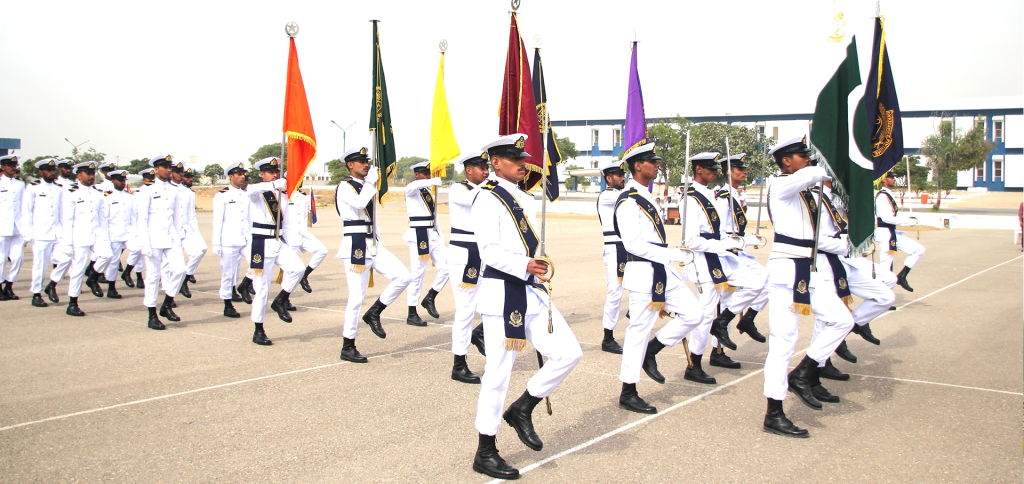
PMA is one of the oldest Seafarers' Training institute of the Region, providing professional Maritime Training since 1962.
- Personal Survival Techniques (PST)
- Personal Social and Safety Responsibilities (PSSR)
- Basic Fire Fighting (BFF)
- Elementary First Aid (EFA)
- Medical First Aid aboard Ship (MFA)
- Certificate of Proficiency in Survival Craft & Rescue Boats (CPSC & RB)
- Advanced Fire fighting (AFF)
30,000 +
136
At the Academy, Officer Cadets will develop the academic and professional underpinning knowledge (UPK) required for professional certification by the IMO, and also undertake specific safety courses required by international convention (STCW ’95). While aboard ship, Officer Cadets will gain practical shipboard experience and develop their operational competency as watch keeping officers.
In addition to their academic studies, Officer Cadets must undertake a number of safety and survival courses during their cadetship. These include the following:
In addition, Deck Cadets must complete the following courses: Efficient Deck Hand (EDH) Global Maritime Distress & Safety System General Operator’s Certificate (GMDSS) Navigation, Radar & ARPA Simulation Training: Operational Level (NARAST)
- From Fitness Standards to Professional Opportunities
Career Progression & Medical Requirements
Health & Eligibility
- Cadets must pass the Merchant Navy Medical Examination to confirm overall physical fitness.
- Navigating Cadets must have normal colour vision and pass the MMD Sight Test for certification.
Early Medical Advice
- Taking an early medical and eyesight test helps identify any physical limitations in advance.
Medical clearance ensures a smooth start to a maritime career without unexpected setbacks.
Initial Sea Career
- Newly qualified officers usually start as 3rd Officers, handling bridge watchkeeping and port operations.
- Responsibilities include crew, ship, cargo, and environmental safety during voyages.
Career Advancement & Opportunities
- Advancement can lead to Master (Captain) rank and command of a vessel.
- Onshore roles include marine superintendent, pilot, harbour master, surveyor, or maritime lecturer.
THE PORTS & SHIPPING WING
MARINE ENGINEERING OFFICERS


TAKING THE NEXT STEP
The following websites provide additional information
about careers at sea, training courses
- Southampton Solent University www.solent.ac.uk
- Careers at Sea www.careersatsea.org.uk
- Maritime Careers www.careers-scotland.org.uk/MaritimeCareers
- Merchant Navy Training Board www.mntb.org.uk
- The Marine Society www.marine-society.org
- The Chamber of Shipping www.british-shipping.org
- Maritime & Coastguard Agency www.mcga.gov.uk


